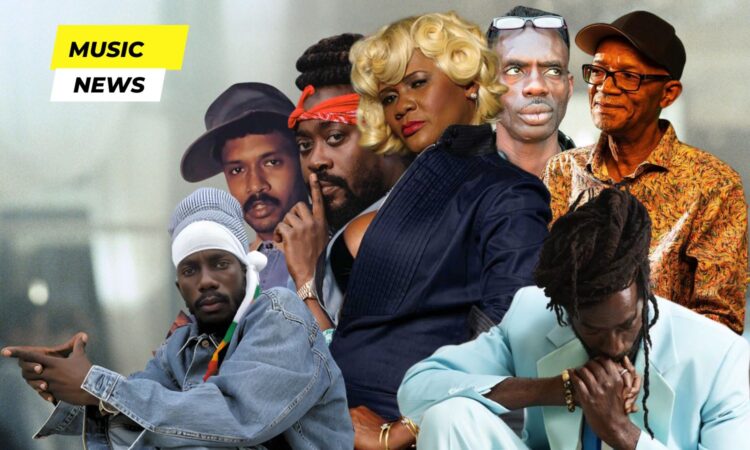
Dancehall and Reggae music have long been defined by big collaborations that push the boundaries of genre, energy, and emotion. These powerhouse pairings have given us timeless tunes, blending silky vocals with rugged DJ styles, or fierce lyrical sparring with smooth melodies. Let’s dive into some of the most iconic collaborations that have set the Dancehall and Reggae world on fire.
Buju Banton and Wayne Wonder have had a long history of successful collaborations that have left a lasting impact on Reggae and Dancehall music. One of their most iconic tracks together is “Bonafide Love (Movie Star)” from the early 90’s, which blends Buju’s deep-toned deejaying with Wayne Wonder’s smooth, soulful singing. This combination of contrasting styles created a perfect harmony, giving the track widespread appeal across genres.
Their collaborations were a key part of the crossover appeal of Dancehall during the 90’s, and their synergy helped to elevate both artists careers. Buju’s raw, socially conscious lyrics combined with Wayne Wonder’s R&B-influenced melodies allowed their songs to connect with a wide audience, both in Jamaica and internationally. Beyond just “Bonafide Love,” the two artists work together has been representative of the era’s Dancehall sound. Their collaborations are a testament to the power of teamwork in music, merging two distinct talents into timeless hits.
“Who Say” by Beres Hammond and Buju Banton is an iconic collaboration that blends the soulful allure of Beres Hammond’s smooth, melodic vocals with Buju Banton’s raw, commanding Dancehall presence. Released in 1992 on Buju Banton’s Mr. Mention album, the song showcases the merging of Reggae’s romantic, roots driven melodies with Dancehall’s edgier, street-savvy energy.
Beres Hammond, revered for his timeless contributions to Reggae with songs about love, relationships, and social issues, delivers the mellow, heartfelt aspects of “Who Say”. His voice provides a soothing counterbalance to Buju Banton’s fiery delivery. On the other hand, Buju, then a rising star in Dancehall, adds a layer of intensity with his gravelly tone and lyrical confidence, symbolizing the voice of the streets.
The contrast in their styles creates an engaging dynamic, making “Who Say” not just a hit, but a cultural moment. The song has stood the test of time as a testament to unity in Jamaican music, symbolizing how different genres and voices can come together to create something powerful and lasting.
Its enduring popularity speaks to how well it captures the essence of Reggae and Dancehall balancing love, struggle, and defiance all at once. Fans continue to celebrate “Who Say” as one of the standout moments of both artists’ careers.
“Healing” by Beenie Man and Lady Saw is a classic Dancehall anthem that solidified the pair’s status as royalty in the genre. Released in the mid-90’s, the song quickly became a Dancehall favourite andwas soon known for its high-energy, flirtatious, yet undeniably fun exchange between two of Dancehall’s biggest stars. The chemistry between Beenie Man and Lady Saw was electric, creating a playful back-and-forth dynamic that resonated deeply with fans.
Lady Saw hailed as the “Queen of Dancehall,” brought her trademark boldness to “Healing”, showcasing her unapologetic attitude, sharp wit, and sexual empowerment. Known for her no-holds-barred lyrical style, Lady Saw played off Beenie Man’s playful advances with confidence and charm. Her verses in the song ooze charisma, and she wasn’t afraid to match Beenie Man’s energy bar for bar.
Beenie Man, often referred to as the “King of Dancehall,” brought his signature delivery dynamic, mischievous, and full of charisma. His lighthearted flirtation with Lady Saw throughout the track creates a perfect balance of fun and sensuality, with both artists bouncing off each other’s energy effortlessly. He teases, she teases back, creating a lyrical game of seduction that is equal parts naughty and infectious.
The beat of “Healing” is fast-paced, pulsing with that unmistakable Dancehall rhythm, making it a staple in Dancehall parties and clubs. The infectious hook and the duo’s undeniable chemistry made the song a hit not just in Jamaica but internationally.
“Healing” represents the perfect marriage of Lady Saw’s fiery, feminist voice and Beenie Man’s playful, cocky charm. It’s a song that celebrates the Dancehall culture’s emphasis on lyrical sparring, flirtation, and fun. The song also marked a moment when both artists were at the height of their powers, dominating the scene as Dancehall’s king and queen.
“Ramping Shop” by Vybz Kartel and Spice is one of the most iconic and controversial Dancehall tracks ever, embodying the raw, unapologetic energy that defines the genre. Released in 2009, the song quickly took over the airwaves, becoming a massive hit both in Jamaica and internationally. Its explicit lyrics and sensual themes pushed boundaries, solidifying its place as a Dancehall anthem while also stirring debates over its provocative content.
Vybz Kartel, known as the “Worl’ Boss,” brought his signature lyrical sharpness and charisma to the track. Famous for his ability to create vivid imagery and his fearless approach to taboo subjects, Kartel didn’t hold back in “Ramping Shop”. His verses are direct and audacious, showcasing his talent for balancing sensuality with hardcore lyricism. His delivery is smooth yet commanding, making his performance memorable and reflective of his dominance in the Dancehall scene at the time.
Spice proved to be the perfect counterpart for Kartel in this track. Known for her confident, no-nonsense style, she matched Kartel’s intensity with her boldness and assertiveness. Spice’s ability to hold her own against one of Dancehall’s biggest names speaks to her skill as a lyricist and performer. Her commanding delivery added a layer of empowerment to the track, as she engaged in the flirtatious, explicit banter with Kartel, creating a musical chemistry that was electric.
“Ramping Shop” is not only known for its provocative lyrics but also for its rhythm, which sampled Ne-Yo’s R&B hit “Miss Independent”. This sample contributed to the song’s crossover appeal, bringing in listeners from both the Dancehall and R&B worlds. The combination of a familiar, smooth melody with Kartel and Spice’s raw, raunchy lyrics created a contrast that made the track stand out even more. Despite facing censorship and controversy for its explicit content, the song’s popularity only grew.
The impact of “Ramping Shop” was undeniable. It became a Dancehall anthem in clubs and parties, further cementing Vybz Kartel and Spice’s reputations as leaders in the genre. It also marked a pivotal moment for both artists Vybz Kartel continued to dominate the Dancehall scene, while Spice’s performance in the song helped propel her to even greater international recognition.
The track exemplifies Dancehall’s bold, rebellious spirit, pushing boundaries while remaining infectious and captivating. “Ramping Shop” remains a cultural touchstone in Dancehall, reflecting the genre’s ability to be provocative, engaging, and influential all at once.
“Dem No Worry We” by Super Cat and Heavy D is a classic Dancehall-Hip Hop collaboration that brought together two icons from different yet deeply connected musical worlds. Released in the early 1990s, the track represented a fusion of Dancehall’s bold swagger with Hip-Hop’s rising dominance in the U.S. Super Cat, revered as one of Dancehall’s most influential figures, and Heavy D, a Jamaican-born rapper who made waves in the American Hip-Hop scene, created a song that embodied cross-cultural unity and musical innovation.
Super Cat, known as the “Don Dada,” was at the peak of his powers when this track was released. His commanding presence, fierce lyricism, and pioneering role in the evolution of Dancehall earned him legendary status in Jamaica. In “Dem No Worry We,” Super Cat delivers his signature boastful, confident flow, dismissing any worries or opposition with his characteristic swagger. The song’s message of resilience and self-assurance was not only a declaration of Super Cat’s status but also an anthem for anyone facing adversity.
Heavy D, on the other hand, brought a smooth, charismatic energy to the track. Though he was firmly rooted in the U.S. Hip-Hop scene, Heavy D’s Jamaican heritage allowed him to effortlessly bridge the gap between the two genres. His rhymes in “Dem No Worry We” were laid-back but powerful, complementing Super Cat’s delivery. As one of the few Hip-Hop artists at the time who openly embraced his Jamaican roots, Heavy D helped introduce a wider American audience to Dancehall culture.
The collaboration between Super Cat and Heavy D was significant in that it represented a musical and cultural exchange between Jamaica and the U.S. In the early 90’s both genres were rapidly growing, and this track exemplified how artists from both scenes could come together to create something fresh and exciting. It wasn’t just about blending sounds; it was about merging the attitudes, energy, and messages of empowerment from two distinct but complementary movements.
The beat of “Dem No Worry We” is a perfect reflection of this blend, featuring the heavy basslines and riddims typical of Dancehall with the polished production that characterized early 90’s Hip-Hop. The track became a symbol of how the two genres could influence each other, paving the way for future collaborations between Dancehall and Hip-Hop artists.
Even today, “Dem No Worry We” holds a special place in the history of both genres. It is a reminder of the global reach of Dancehall music and its ability to transcend borders and influence other musical movements. Super Cat’s dominance in the track, combined with Heavy D’s effortless flow, created a powerful and timeless collaboration that still resonates as a testament to cultural pride, confidence, and the unifying power of music.
“Kings in This Jungle” by Sizzla and Jah Cure is a powerful collaboration that brings together two of Reggae’s most passionate and socially conscious voices. Released in 1998, during a time when both artists were making significant strides in the Reggae and Roots scene, the song stands as a bold testament to the strength and resilience of people facing oppression, particularly within the African diaspora.
Sizzla, known for his fiery delivery and Rastafarian messages had already established himself as a leader in the Roots Reggae revival of the 1990s. His unique blend of spirituality, social commentary, and militant energy in his music resonated with listeners globally. In “Kings in This Jungle,” Sizzla’s verses reflect themes of survival, resistance, and the enduring spirit of people who have faced struggle. His delivery is passionate, embodying the urgency of the song’s message as he calls for unity and strength.
Jah Cure, at that time an emerging artist, brought his soulful and heartfelt voice to the track. Jah Cure’s performance on “Kings in This Jungle” was a showcase of his potential to rise as a prominent figure in Reggae music. His smooth, melodious voice offers a contrast to Sizzla’s tone, but the two artists complementary styles make the track particularly dynamic. Jah Cure’s contributions emphasize healing, love, and perseverance, themes that would become central to his music.
The song’s message focuses on the struggles faced by those living in urban “jungles” a metaphor for inner-city ghettos where poverty, violence, and systemic oppression are rampant. Sizzla and Jah Cure position themselves as “kings” in these jungles, representing leadership, resilience, and survival in environments designed to break people down. They invoke the spirit of Rastafari and African kingship, highlighting the importance of self-awareness, empowerment, and spiritual strength in overcoming these challenges.
The collaboration was significant for both artists. For Sizzla, it reinforced his role as a socially conscious leader in the Reggae movement. For Jah Cure, “Kings in This Jungle” was an important stepping stone in his career, setting the stage for his future success. The song also highlighted the continued relevance of Roots Reggae in the late 1990s, at a time when Dancehall was dominating the Jamaican music scene.
“Kings in This Jungle” remains a classic for its timeless message of survival, self-determination, and unity. It’s a reminder of Reggae’s deep connection to social and political issues, and how artists like Sizzla and Jah Cure use their platform to inspire and uplift, even in the face of adversity.
“Cover Me” by Ninjaman & Tinga Stewart is a classic Reggae anthem, beloved for its powerful blend of romantic devotion and heartfelt emotion. The song is standout for its smooth production, melodic appeal, and Tinga Stewart’s emotive vocal delivery. With its themes of protection, love, and loyalty, “Cover Me” has remained a timeless tune in Reggae music.
Ninjaman played a crucial role in “Cover Me” adding an important contrast with his signature deejay style. The song became a standout due to the interplay between Tinga Stewart’s soulful singing and Ninjaman’s hardcore Dancehall energy. While Tinga Stewart was responsible for the emotional depth and romantic sentiment in the track, Ninjaman brought an element of street toughness and charisma that broadened the song’s appeal.
Tinga Stewart, a seasoned and respected Reggae artist, brought his soulful voice to the track, making it one of his most enduring hits. The production is understated, allowing the vocals and lyrics to take centre stage. The use of traditional reggae instrumentation such as the steady, rolling bassline, the gentle skank of the guitar, and the subtle use of drums creates a laid-back, meditative vibe that enhances the song’s soothing message. The arrangement is simple yet effective.
In Reggae history, “Cover Me” is remembered as one of those timeless love anthems that transcend generations, with its soulful delivery and beautiful simplicity continuing to resonate with listeners. Tinga Stewart’s heartfelt vocals, combined with the smooth, laid-back production, make this song a true gem in the genre’s rich catalogue.
There are many more significant collaborations that could be added to this list, and everyone has their favourites. These are just a few that have stood the test of time and will continue to grow in strength.